Why Am I Still Tired Even After a Full Night’s Sleep?
Nate Holland · Nov 28, 2025 · 7 min read
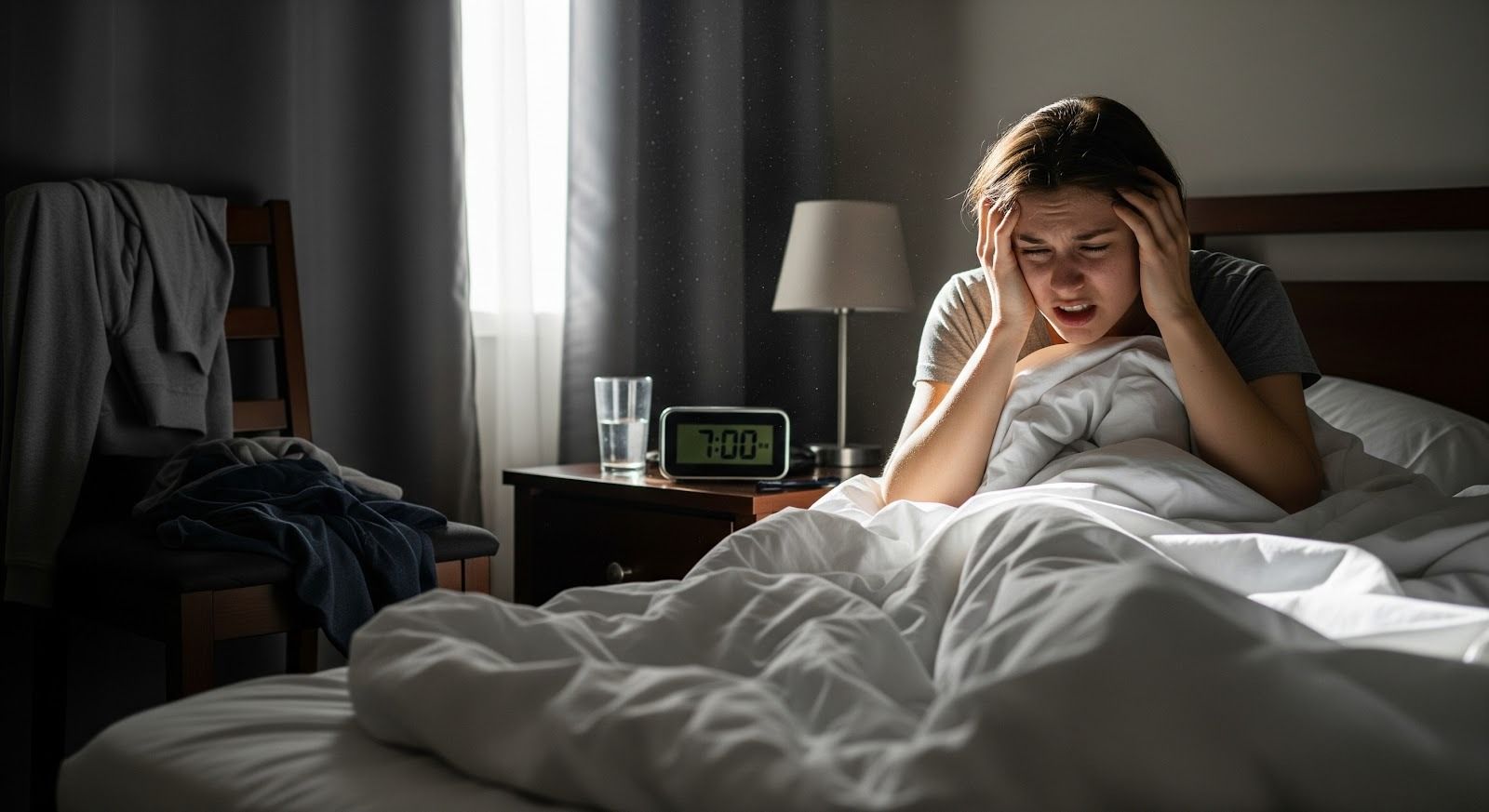
You went to bed early, you thought you slept well for 7–9 hours (or even confirmed it with your watch), and still... you have the sense of pulling an all-nighter. Sound familiar? If you are nodding now, you are not alone. This is a very exasperating phenomenon that happens to millions of people every day.
The good news? It is not just in your head; there exist real and fixable causes behind it. We will go through the most frequent offenders—and what you can really do about them.
Your Sleep Is Not as Good as You Think
The first half of the task is to get enough hours. The other half is the quality of sleep, and the majority of us are being cheated without even knowing it.
- Sleep patterns are being destroyed. You must go through the phases of light sleep, deep sleep, and REM a few times each night. When something continues to wake you up out of deep or REM sleep (even in minor ways), you will wake up groggy regardless of how much time you spend in bed.
- Sleep apnea or snoring. At least one out of every three adults has some degree of sleep apnea—your air passage closes slightly when you are sleeping, your brain panics, and you wake up dozens (or hundreds) of times during the night. Your body reacts, but you hardly ever recall it.
- Alcohol, even "just one glass." That nightcap may get you to sleep sooner, but it disrupts the second half of your night and deprives you of restful sleep.
The fix to attempt tonight: Keep a basic sleep journal for a week. Record the time you go to bed, the time you are awake, and also how you feel when you get up. Patterns usually pop up fast.
You Are in Caffeine Debt
A cup of coffee at 2 p.m. may still be in your system at midnight—caffeine has a half-life of 5–7 hours in most people. That is to say, when you drink a latte at 3 p.m., one-quarter of it is still circulating in your body as you are trying to calm down.
- Other sneaky sources of caffeine: Decaf coffee (which nonetheless contains some), chocolate, some types of teas, energy drinks disguised as healthy sparkling waters, and even some pain relievers.
Or try this instead: Replace your afternoon coffee with herbal tea or chicory root coffee after lunch for two weeks, and check whether you feel different in the mornings. The difference is astonishing to most.
Your Blood Sugar Roller Coaster All Night
Having a heavy or sweet dinner based on carbs may produce surges and crashes in blood sugar levels during the night. Any crash triggers stress hormones (cortisol and adrenaline) to wake you up enough to feel drained by the time you get up in the morning.
Easy modification: Prepare dinner with increased protein, healthy fat, and fiber (consider salmon + roasted vegetables + avocado, or a chicken stir-fry). When you wake up, you will feel much steadier.
Unseen Energy-Depleting Nutrient Deficiencies
Although you may be eating healthy, modern soil erosion and food production may cause us to be deficient in several key players:
- Magnesium (relaxation mineral—most of us are deficient)
- Vitamin D (because you live north of Atlanta or work inside)
- B12 and Iron (common issues for women and vegetarians)
Any of these in low concentrations may leave you tired even when you slept like a baby.
When you have done the rudiments and are still crawling to get through the day, maybe it is time to order a blood panel or talk to functional medicine practitioners who will go deeper than the routine check-up.
Stress Is Stealing Your Sleep on the Backend
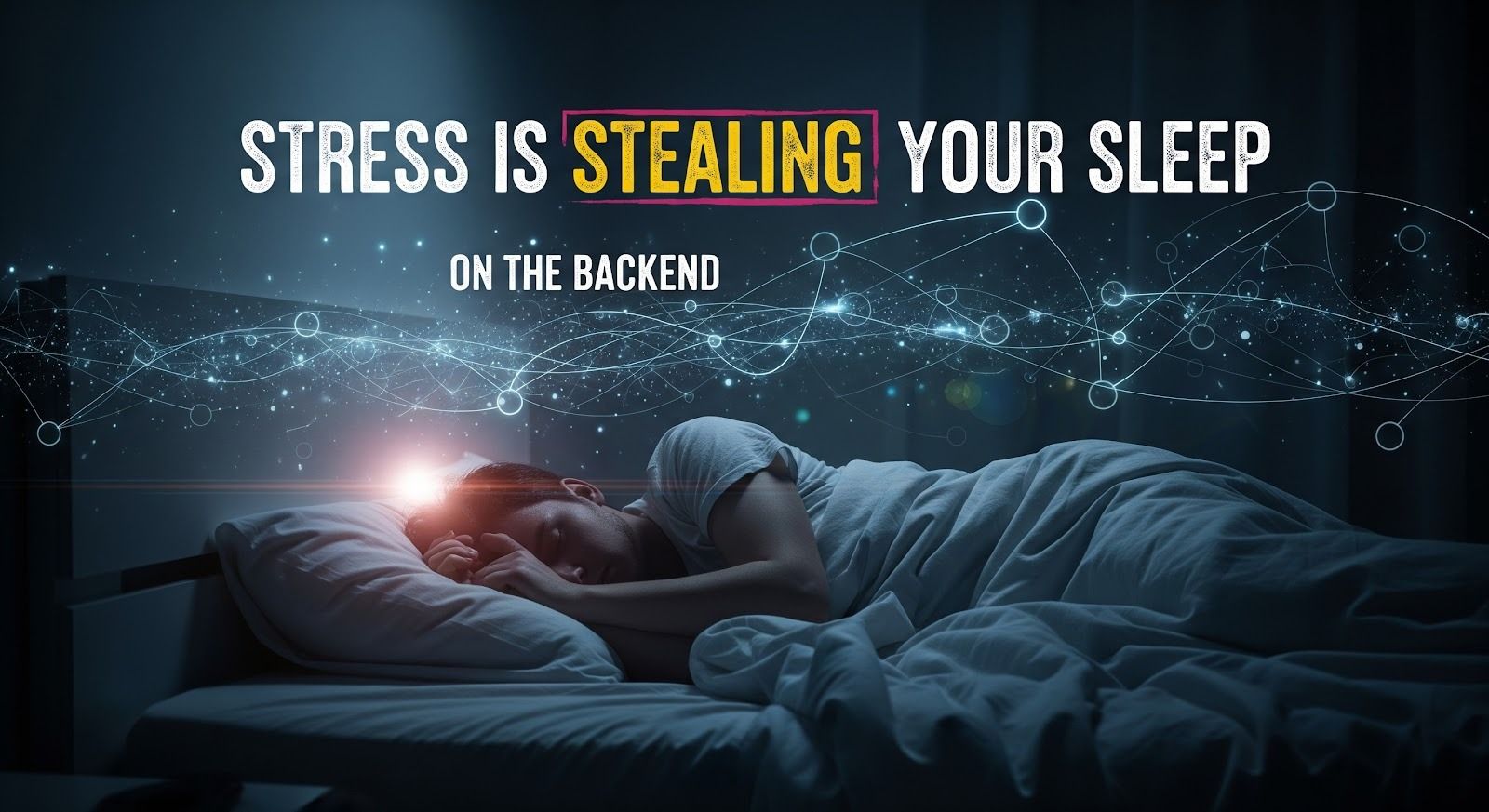
Your body does not know whether it is a real tiger or a 400-email inbox that causes the stress: it still releases cortisol. Low-grade chronic stress also keeps your nervous system in "fight or flight" mode even when you are technically asleep.
Signs that this applies to you include: Racing thoughts before bed, grinding your teeth, or waking up at 3 a.m. with your mind in a whirlwind.
Soothing ways to let your body know that the tiger is dead:
- 4-7-8 breathing before bed.
- A 10-minute "legs-up-the-wall" pose.
- Magnesium glycinate 30–60 minutes prior to sleep (miraculous to many).
Your Circadian Rhythm Does Not Work
We are created to match the sunshine. When you are scrolling through your phone under bright light until 11 p.m. and then wake up in a pitch-black room, your brain does not know when it is day vs. night.
Two non-negotiables that solve 80 percent of circadian problems:
- Go outside for at least 10 minutes within an hour of waking (wear no sunglasses, where possible).
- Dim the lights and screens to simulate night two hours before bedtime (or use blue-blockers).
Thyroid, Hormones, or Something Else Medical
When you have taken care of the basics—like your sleep hygiene, caffeine timing, managing blood sugar, and managing stress—and still feel tired, then you need to consider medical causes. Some of the most typical "silent energy thieves" include hypothyroidism, anemia, depression, chronic infections, and perimenopause/menopause.
Don't suffer in silence. An effective doctor, or better still, an online naturopath that focuses on fatigue, can prescribe the appropriate tests and cost less time than most conventional GPs.
Making It All Count: Your 7-Day Experiment to Stop Being Tired
Select one or two items on this list and put them to the test during a complete week:
- Cut caffeine after noon.
- Have a dinner that is diet-friendly (low carb/high protein).
- Sunrise Sunshine + Dark nights.
- Take 300–400 mg magnesium glycinate at night.
A majority of individuals feel the difference within 4 or 5 days. If it works, continue stacking the habits.
Final Thought
Being exhausted after a good night's sleep is not a thing that you need to live with. Almost always, there is a cause—and there often is more than one—which can be corrected with simple modifications.
You should be able to wake up and say you really slept. Begin with the low-hanging fruit, start monitoring how you feel, and in case you are still struggling after a month of solid habits, consider making an appointment (either locally, such as at a Southport wellness clinic, or virtually with a fatigue practitioner).